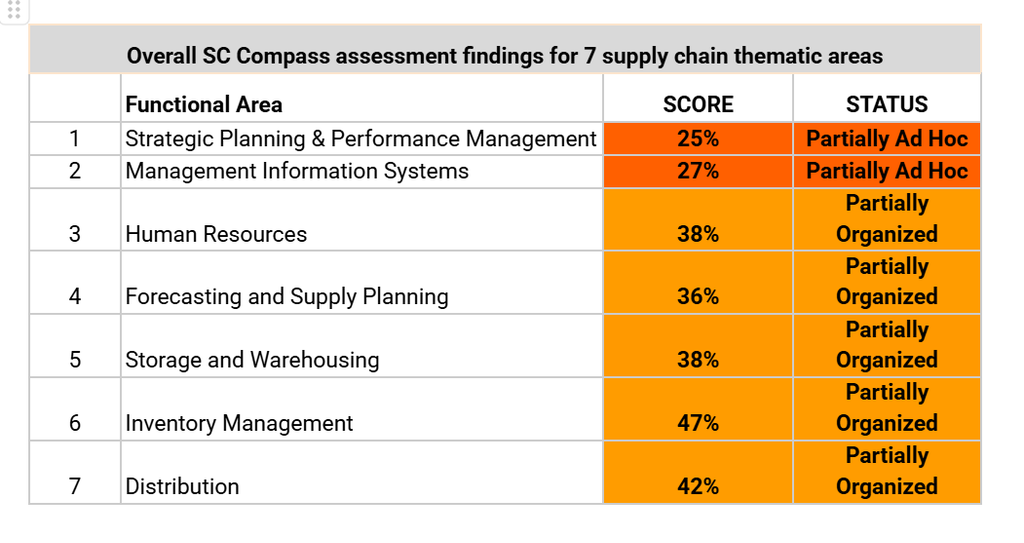
A supply chain scoping exercise conducted by inSupply Health, in partnership with MoH, using JSI’s Supply Chain Compass tool, highlighted major gaps in the NTD logistics information management system. The findings revealed that the logistics information system was largely ad hoc, primarily because paper-based data collection processes were used during Mass Drug Administration (MDA) campaigns for Neglected Tropical Diseases (NTDs). Due to the lack of good information systems, management of the campaign commodities was poorly coordinated between MOH and other government departments and partners and data consolidation often lagged behind program needs.
Towards strengthening the fight against NTDs, the JSI-led Supply Chain Technical Support Mechanism (SCTSM) project implemented by inSupply in Tanzania and in collaboration with the Ministry of Health, the President’s Office- Regional Administration and Local Government and the University of Dar es Salaam DHIS2 Lab, embarked on a journey to digitise core components of the NTD program within the national DHIS2 platform. The development is part of the broader efforts under the SCTSM Project, which has been transforming NTD supply chain performance across Tanzania.
One of the top priorities for SCTSM is to strengthen end-to-end data visibility and accessibility. In Tanzania, while MDAs produced reports on both service delivery and logistics performance, such as the number of people treated and the commodities used, manual systems made it difficult to verify data, conduct accurate analysis, or plan for future interventions. Human errors, non-automated calculations, and missing records were common challenges.
Through the partnership, NTD management modules were designed and developed to help digitise campaign data. These new modules are envisioned to close the data gap between routine and non-routine information, enabling better tracking, reporting, and decision-making. The current digitization success was built on a careful analysis of successes and challenges from several previous digitization attempts, and the completion of this milestone will enhance data quality, visibility, and accessibility. A total of five integrated modules were developed, namely: MDA, Logistics, Health Systems Strengthening (HSS), Morbidity Management and Disability Prevention (MMDP), and Survey.
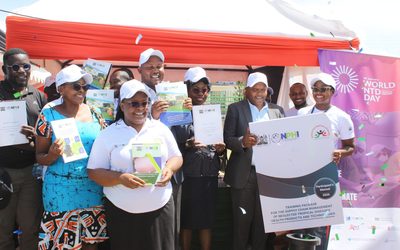
Following the completion of the development phase, the User Acceptance Test (UAT) involved Ministry of Health (MOH), President’s Office Regional Administration and Local Government (PORALG), regional and council health teams, health facility staff, and key partners including the University of Dar es Salaam DHIS2 Lab and the WHO Country Office to test the Minimum Viable Product (MVP) of the DHIS2-enhanced modules. The primary objectives are to assess the functionality and usability of the new modules for capturing, processing, and reporting NTD data; validate data flow and accuracy across administrative levels; and ensure support for real-time reporting and decision-making. Build user capacity and deepen stakeholder understanding of how to operate the modules for effective data management, and gather end-user feedback to inform final refinements before national rollout.
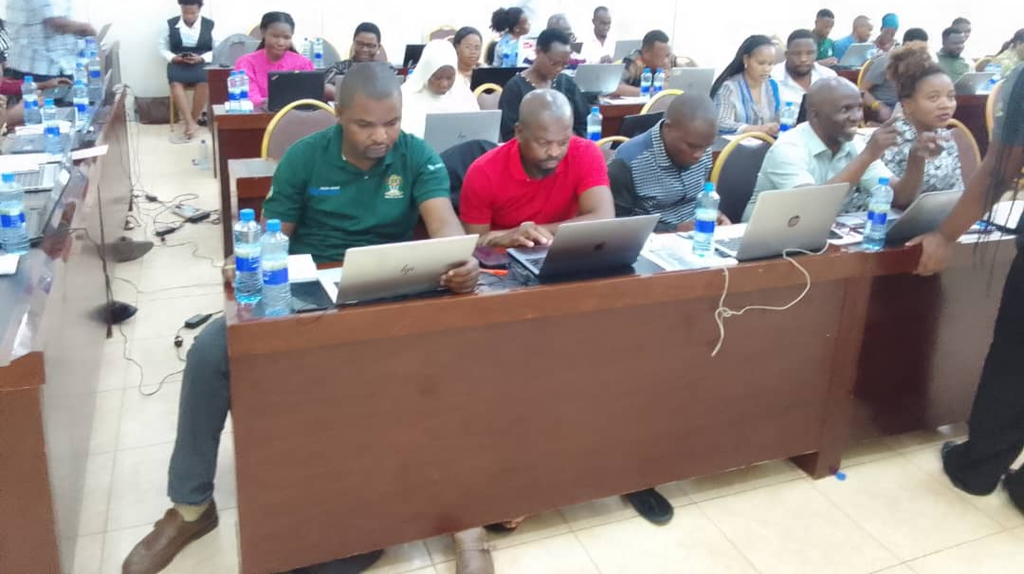
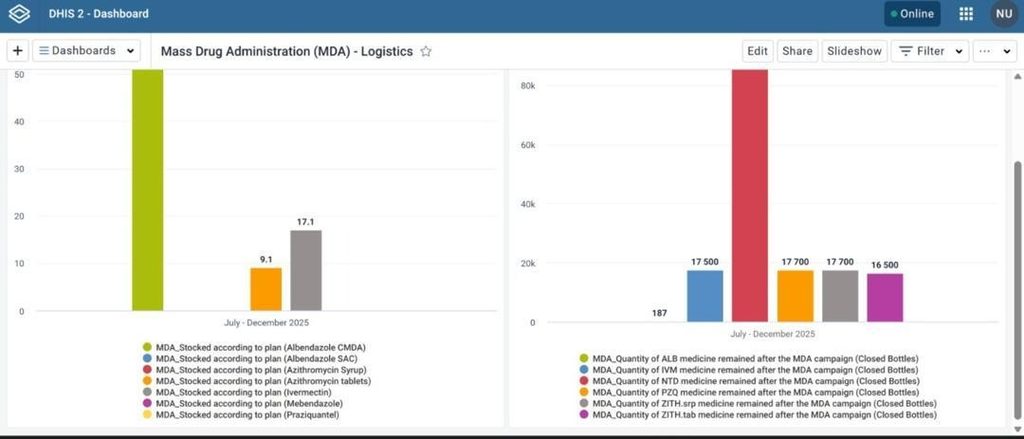
The system can now capture critical non-routine data across the different modules. The demonstration showcased automated calculations, integrated indicators, and structured reporting dashboards that will significantly improve data quality, visibility, and accessibility.
This marks a historic milestone in Tanzania’s journey from a fragmented, paper-based system to a digitally empowered, decision-driven NTD program, a true shift from ad hoc to organized excellence.
Dr. Gowelle, Director of Preventive Services (DPS) from the Ministry of Health, underscored the importance of digitization in driving efficiency, transparency, and evidence-based decision-making in public health interventions. “We still have a long way to go. As we continue the digitization of NTD data, let’s ensure that we effectively use the data in the system to strengthen NTD interventions.” Dr. Godwelle, Director of Preventive Services (DPS) from the Ministry of Health
She further underscored the importance of continued collaboration among the NTD program, PO-RALG, regional and council teams, and implementing partners to ensure successful rollout and sustainability.
Hands-On Testing and Interactive Learning
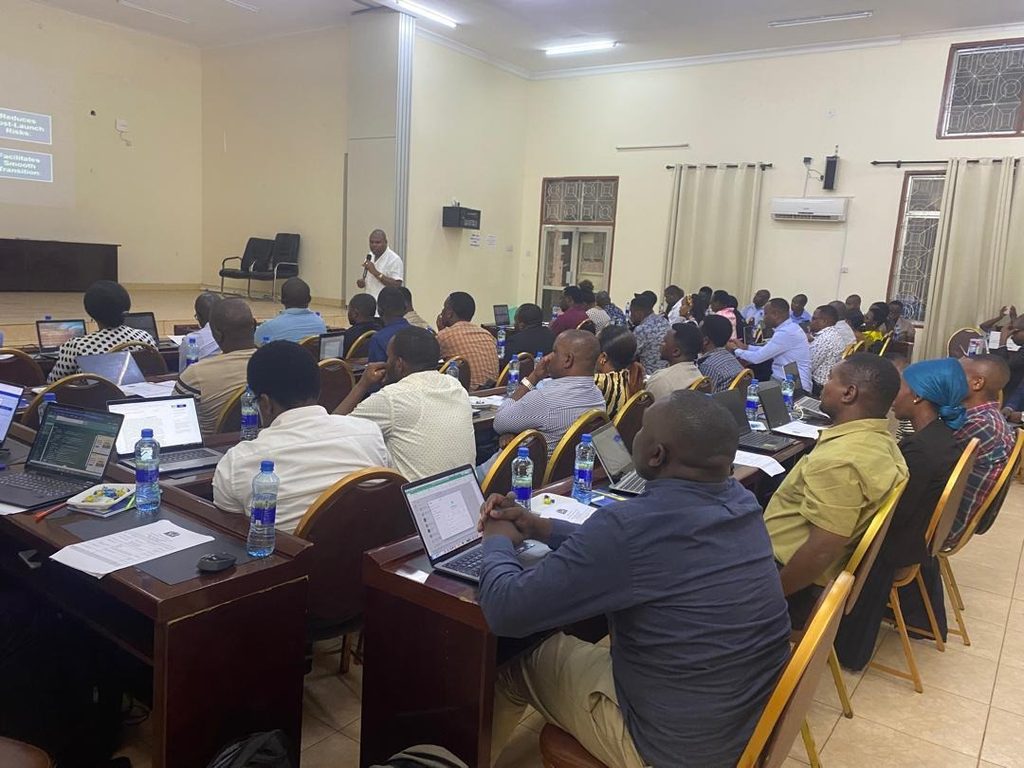
Rigorous hands-on testing of all five modules facilitated by technical experts from the University of Dar es Salaam DHIS2 Lab and project team members, focused on realistic use-case scenarios, data entry simulations, and reporting exercises. Through interactive group work, users were able to identify gaps, report bugs, and provide critical feedback on the system’s functionality, navigation, and overall usability. These insights are crucial in ensuring the system is fully responsive to the needs on the ground.
Looking Ahead: Digital Transformation in NTD Management
With robust and user-friendly digital tools in place, the country is poised to make substantial gains in tracking MDA campaigns, managing NTD commodities, and responding to health needs more effectively, as we move towards national rollout, stakeholder collaboration will remain at the heart of these efforts ensuring that the system is not only technically sound but also practically useful for those who need it most
“PO-RALG plays a vital role in implementing MDA activities and the use of MDA Digital Platform. the digitization journey began in 2021 with the main focus on enabling timely (daily/weekly) monitoring of MDA activities and our future plans is to integrate USSD reporting for CDDs. Effective use of digital platforms enhances efficiency, reduces workload, and strengthens logistics control. I encourage Participants to provide genuine feedback for continuous improvement. I also Genuinely appreciation the inSupply Health for their support, UDSM DHIS2 Lab for technical flexibility, and the WHO Country Office for ongoing collaboration.” Dr. Clarer, NTCP Manager.
“NTD Program have shown a recommendable resilience during the stop-working order particularly due to strong collaboration between MOH, PO-RALG and other Implementing partners in NTD activities. As we head towards NTD elimination, it is important to monitoring endemicity to better inform budgeting. This platform will provide the data necessary for such monitoring. I therefore argue all participants to actively engage in the UAT process.” Dr. January, WHO Representative
“The MDA digitization process is such a revolutionary milestone in terms of NTD data management. I, therefore ask participants to take ownership of the system to ensure its effective use upon rollout” Dr. Irene, NTD PO-RALG coordinator