Background
As part of the Delivering Innovation in Self-Care (DISC) demand-generation initiatives across Nairobi, Nakuru, and Kakamega counties, project teams designed community-level engagement activities to drive awareness of and uptake of self-care options, specifically targeting the self-injectable contraceptive DMPA-SC.
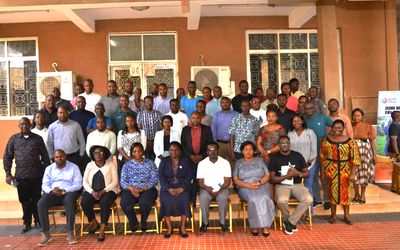
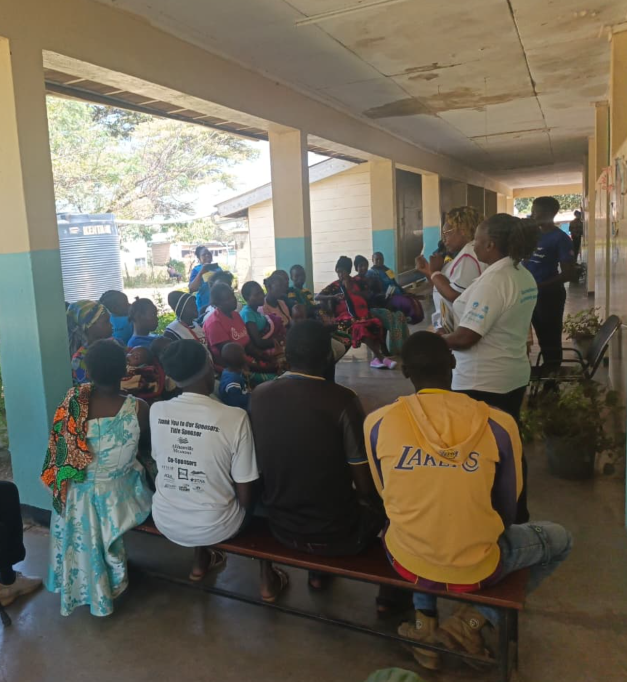
Community dialogues were initially deployed as the foundational strategy to reach community members, demystify family planning methods, and engage women in open discussions around sexual and reproductive health and create awareness for a relatively new method in the community. These dialogues aimed to dismantle widespread misconceptions, educate participants on the benefits of self-care, and build a supportive environment for voluntary contraceptive use within the community.
The Problem
Although community dialogues succeeded in raising broad awareness, project monitoring revealed a clear intention-to-action gap. While participants gained factual knowledge about DMPA-SC, the dialogues alone did not translate into a proportional increase in women actually adopting self-injection. The primary barriers preventing uptake were deep-seated client fear, anxiety around self-administration, needle phobia, and a lack of personal confidence in performing the injection procedure.
Because community dialogues were purely informational and lacked a structured clinical setup for practical skill demonstrations or supervised practice, clients were left without the hands-on reassurance needed to overcome their fears. Furthermore, social dynamics such as covert use due to a lack of male partner support made women hesitant to commit to services in public community settings.
The Solution
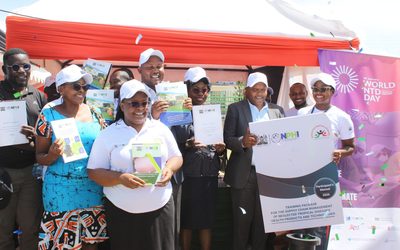
To bridge the gap between initial awareness and actual service uptake, the DISC project implemented an integrated demand generation model designed to move clients along the continuum from information to adoption. As planned, community dialogues served as the foundational entry point to build awareness and generate interest, which was then systematically linked to targeted facility inreaches across health facilities in Nairobi, Nakuru, and Kakamega to drive conversion to action. Rather than operating as standalone events, these inreaches paired community mobilization directly with immediate clinical service delivery. Community Health Promoters (CHPs), Community Health Assistants (CHAs), and Youth Champions actively mobilized community members using targeted conversations and referral cards, directly connecting informed clients to participating health facilities for service uptake.
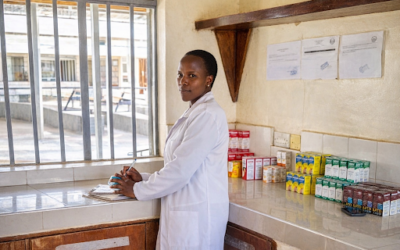
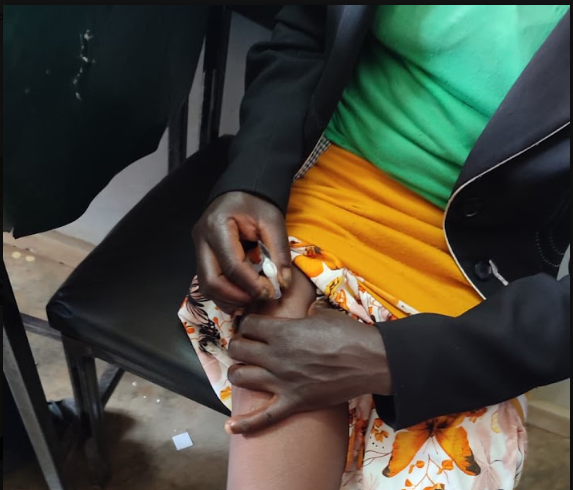
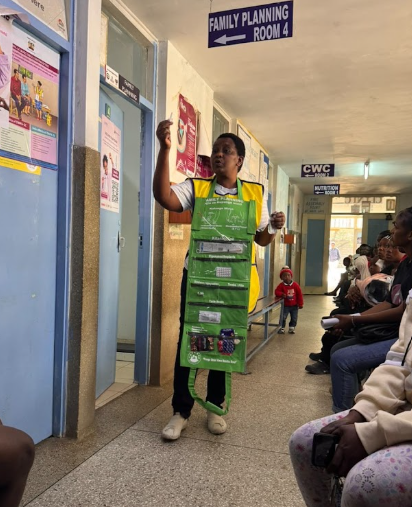
At the facility level and in communities for targeted hard to reach areas outreaches, healthcare providers delivered comprehensive group health talks in local languages to systematically address myths, followed by intensive, one-on-one empathy-based counseling. Crucially, providers guided clients through practical skill demonstrations and supervised their first-dose self-injections on site, directly addressing needle phobia and building client confidence in a supportive, confidential environment. Services were also integrated across routine clinical touchpoints, such as antenatal care and immunization clinics, to capture clients efficiently and maximize reach.
Results
The integration of facility-inreach yielded exceptional results, converting community outreach into high-volume service uptake. Across the three counties, the inreach activities engaged a total of 16068 attendees respectively and generated 10667 referrals, and resulted in 11,577 total DMPA-SC clients served. Remarkably, 9465 of these clients chose self-injection over provider administration.
In Nairobi, a single day of inreach across 80 facilities generated 2,458 DMPA-SC clients with 56% choosing self-injection surpassing the county’s entire prior monthly family planning uptake of 2,103 clients.
In Nakuru, 51 inreaches resulted in 1,249 total DMPA-SC clients, with 79% opting for self-injection, while several facilities exceeded their typical monthly consumption on the day of the inreach alone.
Kakamega recorded the highest total volume, serving 3,708 DMPA-SC clients during the period, with 71% selecting self-injection. Additionally, the strategy proved highly attractive to the adolescent and youth population , who readily embraced self-injection for its privacy, convenience, and time-saving benefits.
Conclusion
The DISC project’s experience demonstrates that while community dialogues play an essential role in driving initial awareness and preparing more hesitant community members for action, relying on them as the primary mechanism for service uptake can yield a lower immediate return on investment. In resource-constrained environments with limited budgets, prioritizing action-oriented facility inreaches serves as a more strategic investment. By pairing active community mobilization directly with immediate, high-touch clinical care, inreaches build on the foundation laid by awareness creation and efficiently convert community interest into tangible, high-volume health outcomes.