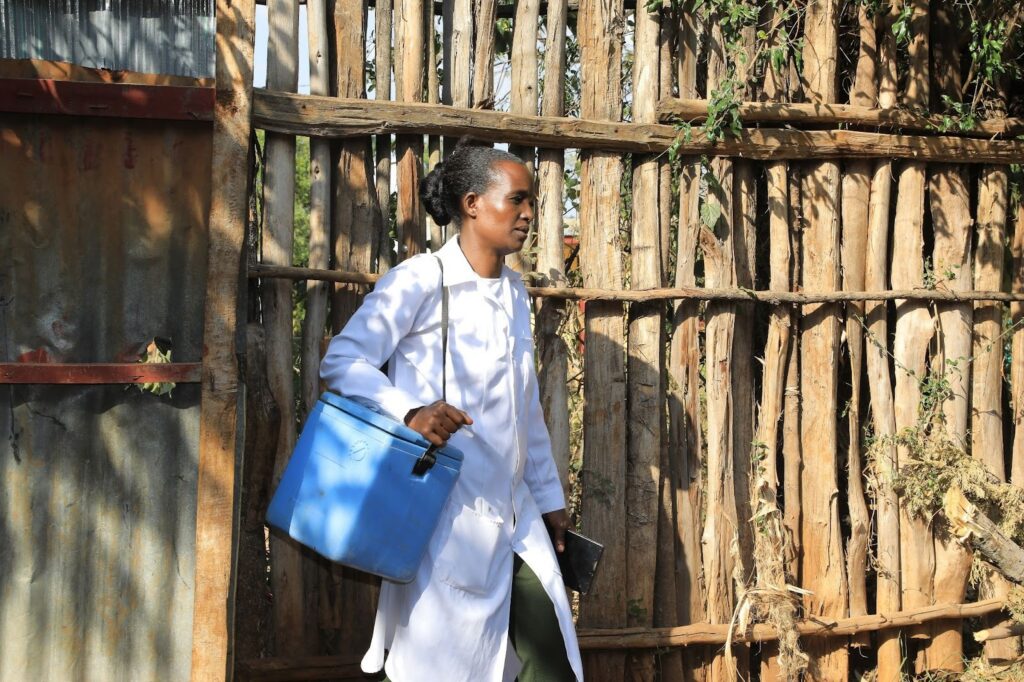
The reality of the “last mile” in Ethiopia is best captured in the footsteps of a community health worker navigating the rugged highlands. During the peak of the rainy season, when the terrain turns to slick clay, where even motorbikes fail, the dedicated community health workers carry vaccine carriers on their backs, trekking for miles through deep mud to ensure a single child is protected.
For health service managers in Low- and Middle-Income Countries (LMICs) like Ethiopia, “the last mile” poses persistent challenges. Imagine a life-saving vaccine sitting in a cold room, only to be stalled by a mountain range, a road washed away by seasonal rains, or the simple absence of a vehicle. For years, these barriers have stood between mothers and children and the care they desperately need.
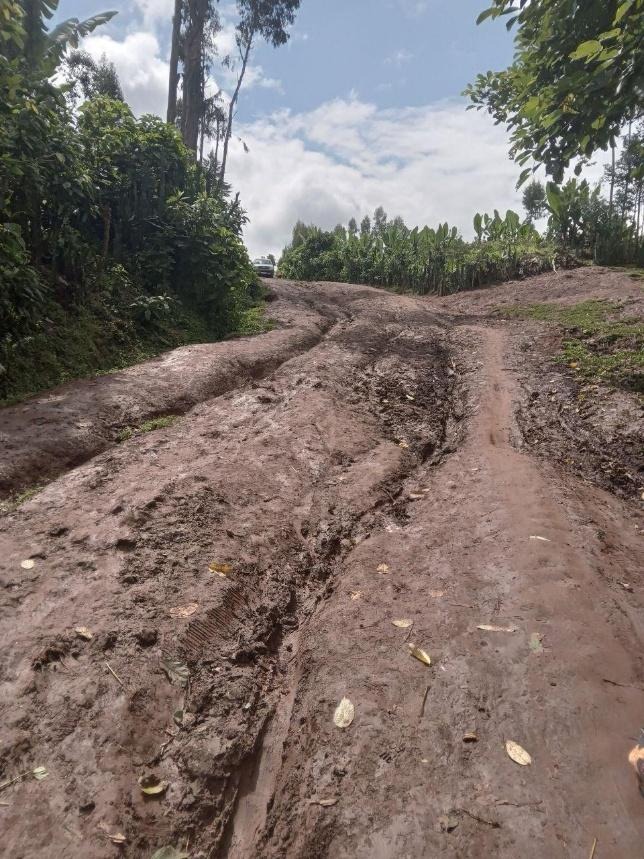
A 2023 bottleneck analysis by inSupply Health confirmed the lack of a reliable, sustainable transportation mechanism as a major barrier to reaching children and mothers who urgently need health services, treatment, and prevention.
The findings highlighted a familiar, yet elusive challenge: commodities stall at health centres while communities remain underserved because of a lack of products and means to transport them.
In response, inSupply Health and JSI Ethiopia, in collaboration with the Ethiopian Ministry of Health and regional health bureaus, embarked on an exhaustive, “future-looking” design process. By benchmarking successful systems such as the TB/Leprosy and laboratory sample logistics, and the innovative M-mama and cStock solutions in Kenya and Tanzania, resulting in a model built for the Ethiopian context. The team focused on adapting lessons to Ethiopia’s unique geographic, institutional, and community realities.
The Power of Local Wheels
After intense co-creation sessions, two primary “context-fit” models emerged as the champions of the pilot:
- Facility-Owned Motorbikes: Enabling health centers to manage their own deliveries using licensed, internal staff.
- Third-Party Logistics (3PL): Partnering with local transport providers. District health offices identified and contracted competent, local motorbike and Bajaj operators familiar with the terrain.
A Landmark Moment: January 2026
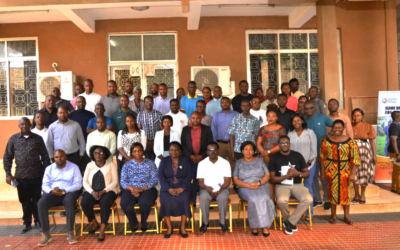
In January 2026, this vision became a reality through a multi-stakeholder workshop, during which contracts were officially signed between health facilities and local transporters.
This pilot initiative, which includes equipment donation, signifies a fundamental change. With initial financial support from JSI, the Woreda (district) health office has committed to allocating dedicated budgets to ensure the program’s sustainability after the pilot phase concludes.
From regional health bureaus shaping policy to the drivers ensuring medicines reach the last mile, this collective momentum reflects progress and a deliberate effort toward building a tested, scalable model for supply chain improvement that can be replicated and sustained across regions.
For communities across Ethiopia, it represents a solution in which stronger systems, smarter coordination, and better decision-making translate into tangible health outcomes.